Updated October 15, 2026 · 4 min read · By ShortDrama Studio Editorial Team
The history of short drama: from duanju to global apps
Short dramas began in China in the late 2010s as duanju (短剧), short serialized videos on Douyin and Kuaishou. They grew into a paid, app-based industry around 2020–2022, when lockdowns and phone-first viewing turned one-minute cliffhangers into a habit, and went global from 2022, when apps such as ReelShort and DramaBox brought the format to the US and beyond. By 2025 it was an industry Omdia estimates at about $11 billion a year.
Key takeaways
- The format grew out of Chinese web novels and short-video platforms, not television.
- 2018–2020: platforms such as Douyin and Kuaishou began funding short serialized dramas.
- 2020–2022: the paid weiduanju (micro short drama) model took off in China.
- 2022 onwards: ReelShort, DramaBox and others took vertical series to the US, Latin America, Europe and Southeast Asia.
- 2025–2026: brands, Hollywood studios and AI tools moved into the format.
The roots: web novels and short video
Two things made short drama possible. The first was Chinese web fiction: online serial novels, read chapter by chapter on phones and paid for chapter by chapter, with the same tropes that dominate short dramas today: the humiliated heir, the contract marriage, the revenge of the wronged wife. Many early short dramas were adaptations of these stories, and the pay-per-chapter model became pay-per-episode.
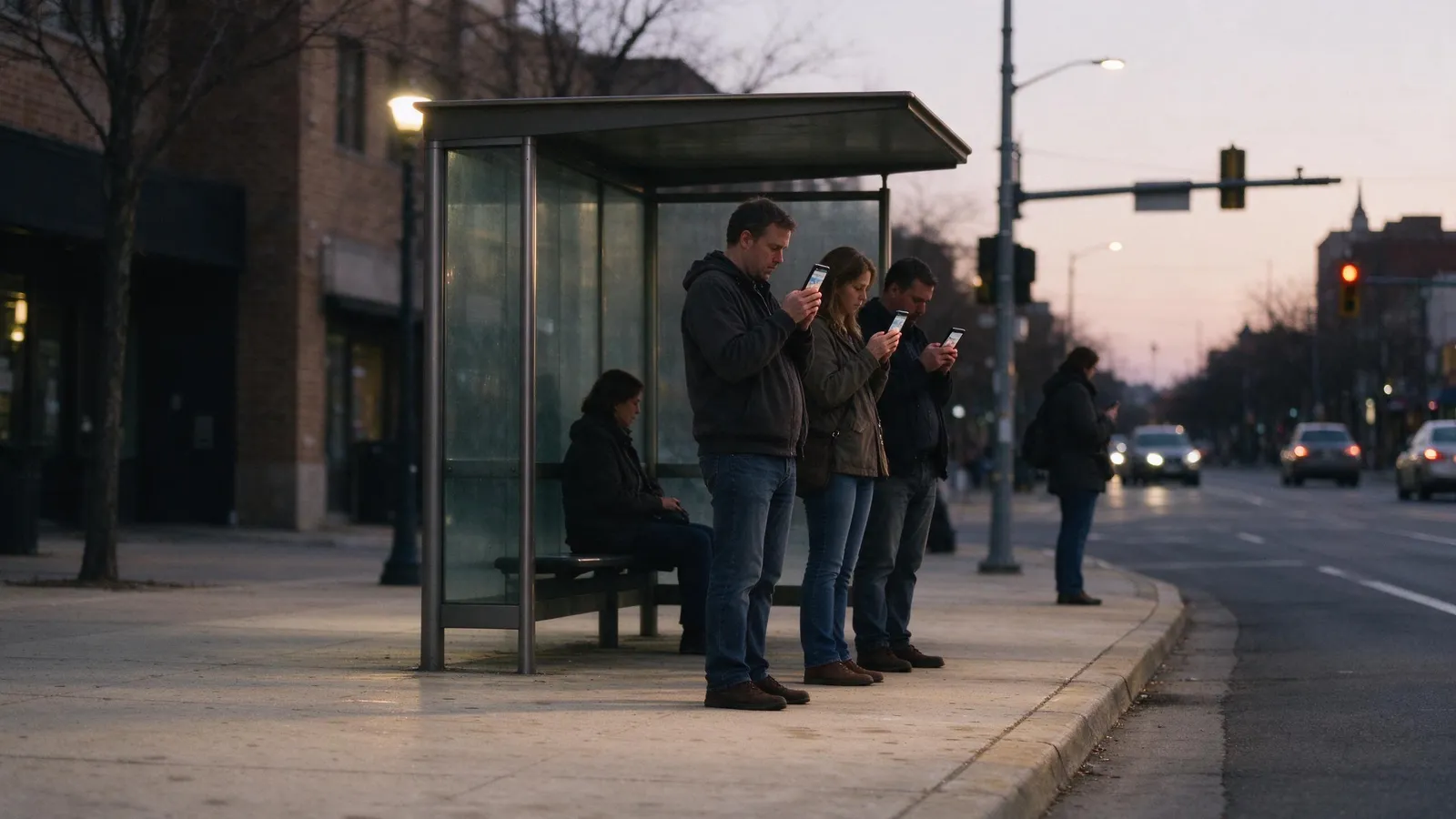
The second was short video. Douyin (TikTok's Chinese sister app) and Kuaishou trained hundreds of millions of viewers to watch vertical clips of a minute or less. Serialized skits were a natural next step: a story told in parts, each ending on a reason to watch the next.
China builds an industry (2018–2022)
From around 2018, the big Chinese platforms began commissioning and promoting short serialized dramas, and a new label appeared: weiduanju (微短剧), the micro short drama. Production companies learned to shoot a full series in days, with small casts, a few locations and a cliffhanger every minute.
The pandemic accelerated everything. With cinemas closed and people at home on their phones, cheap, fast, addictive stories found an enormous audience. Dedicated apps and mini-programs began charging per episode, and a few hit series made headlines for earning back their budgets within days. By the mid-2020s, Media Partners Asia estimated Chinese micro-drama revenue at about $9.4 billion, more than the country's box office.
Growth also brought regulation. Chinese authorities introduced licensing and content rules for micro dramas, and platforms removed titles that broke them, pushing the industry towards higher standards.
The format goes global (2022–2024)
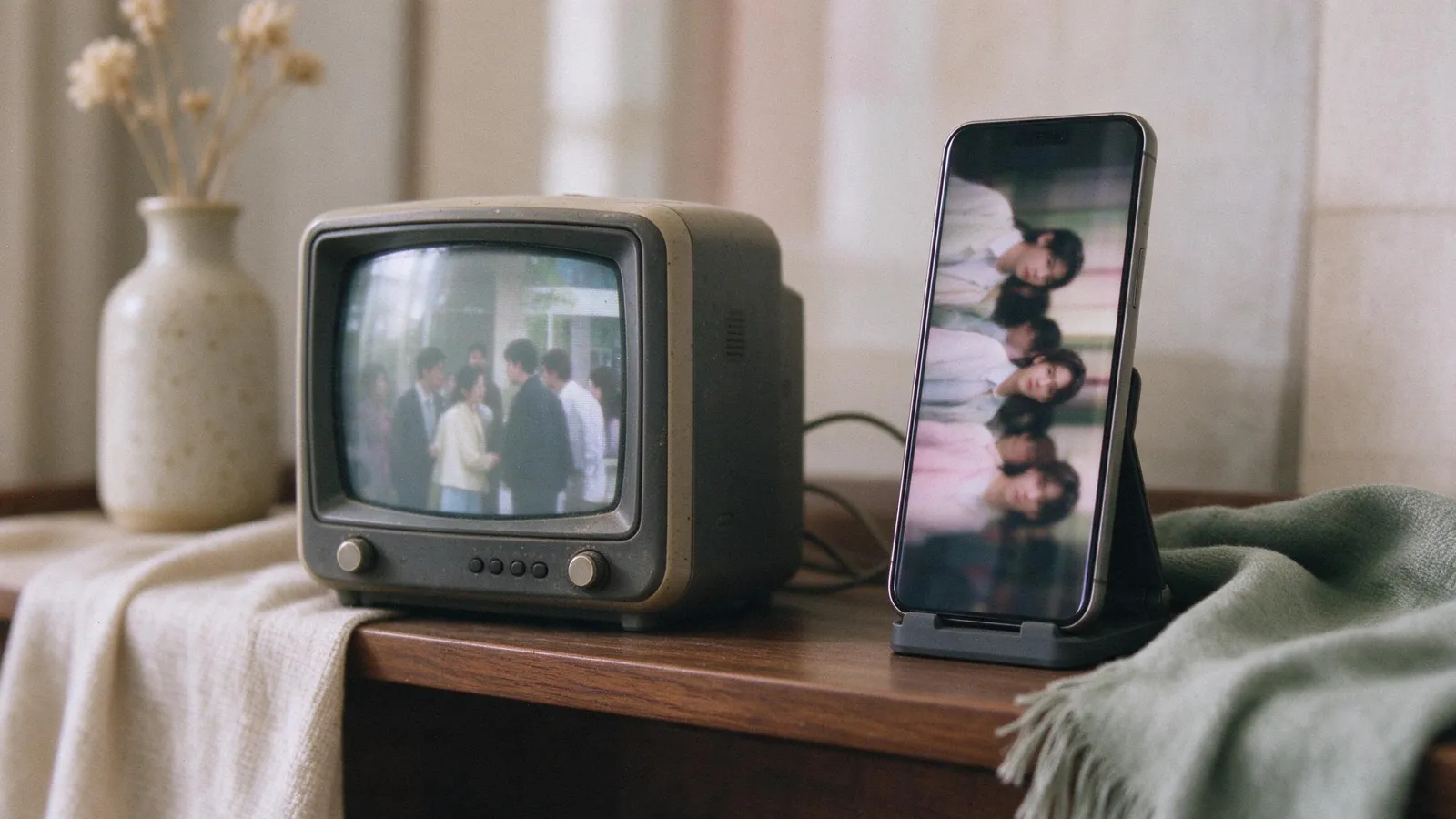
Chinese companies saw the same opportunity abroad. ReelShort launched on the App Store in August 2022, producing English-language originals in the US with American casts. DramaBox followed in April 2023, and dozens of apps, including GoodShort, ShortMax, FlexTV and MoboReels, joined them.
Their growth engine was advertising: cut the most shocking moment of a series into a social media ad, let viewers watch the first episodes free, and charge for the rest. In the first quarter of 2024 alone, Appfigures data reported by TechCrunch showed ReelShort earning about $52 million and DramaBox about $35 million. The comparisons with Quibi, the short-form streamer that failed in 2020, were inevitable; the difference was the price model, the tropes and the phone-native feed.
Mainstream and maturing (2025–2026)
By 2025 the micro drama was a recognised global category:
- Audiences: Omdia counted about 66 million monthly users in the US alone, with large audiences in Brazil, Mexico, the UK and Southeast Asia.
- Big platforms: TikTok launched its own short-drama app, PineDrama.
- Brands: Crocs, P&G and others commissioned branded series (see micro drama advertising).
- Studios: established entertainment companies began investing in, or partnering with, micro-drama producers.
- AI: AI writing, image, video and dubbing tools began to cut the cost and time of making a series, opening the format to individual creators.
What comes next
The next chapter is about who makes short dramas. When a series can be written, cast, filmed and edited with AI, the format is no longer limited to studios with a production line. Creators, writers and brands can test ideas in days and publish where the audience already is. Read more in what is an AI short drama?.

Write the next chapter yourself
ShortDrama Studio turns one sentence into a vertical drama series: script, cast, scenes and edit, with you approving every step.


FAQ
Where did short dramas come from?
Short dramas come from China, where they are called duanju. They grew out of web novels and short-video platforms such as Douyin and Kuaishou in the late 2010s and became a paid, app-based industry around 2020–2022.
What does duanju mean?
Duanju (短剧) means "short drama" in Chinese. The related term weiduanju (微短剧) means "micro short drama", which is where the English term micro drama comes from.
When did ReelShort launch?
ReelShort appeared on the App Store in August 2022 and became the first short drama app to break through in the US.
Why did short dramas become so popular?
They fit phone habits, end every episode on a cliffhanger, cost little to make and reuse tropes audiences already loved in romance and web fiction. The pandemic and social media advertising accelerated their growth.