Updated October 15, 2026 · 11 min read · By ShortDrama Studio Editorial Team
What is an AI short drama?
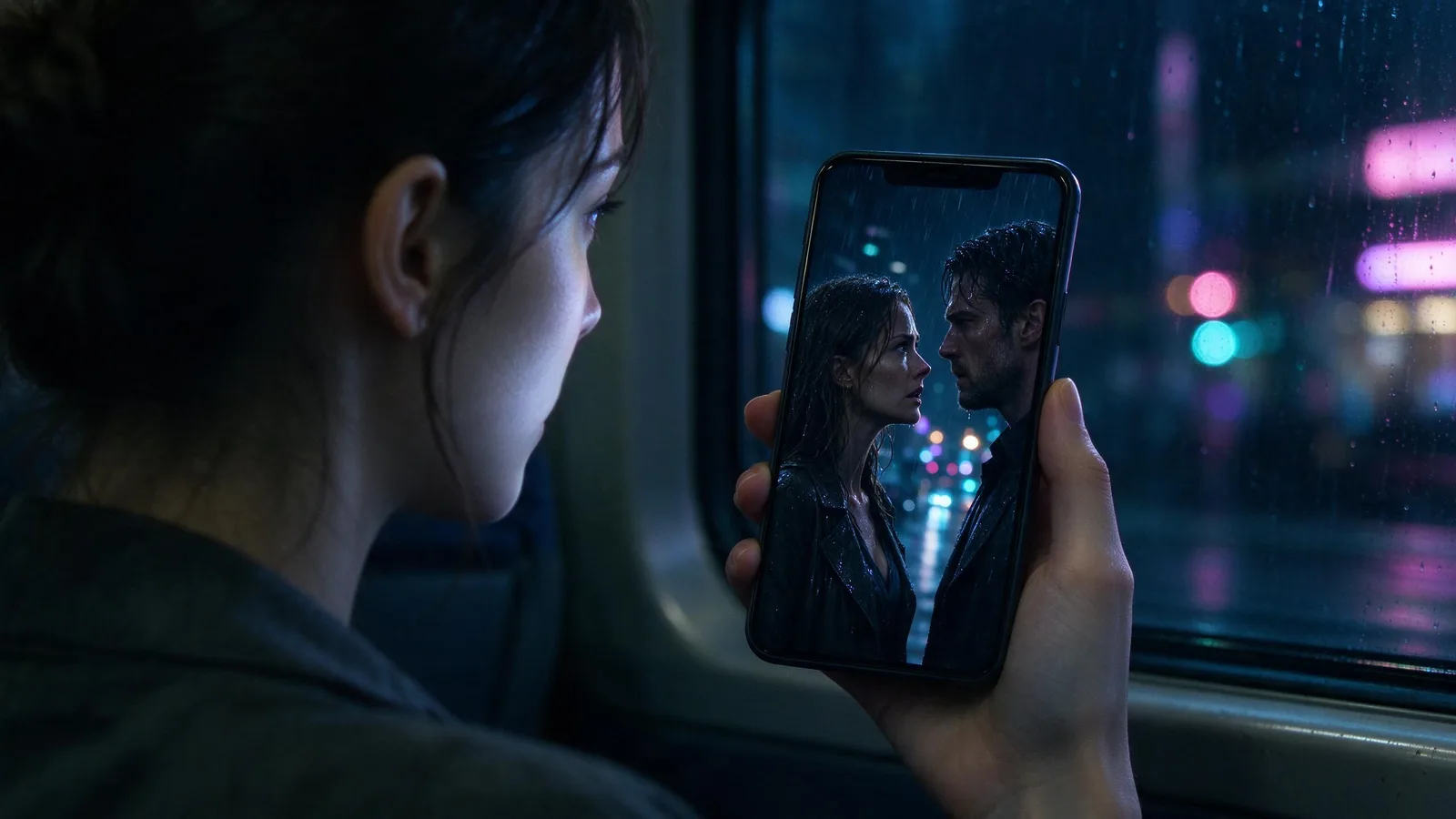
An AI short drama is a vertical, serialized drama of one- to three-minute episodes whose script, characters, scenes and edit are produced with artificial intelligence. It follows the same format as the short dramas (also called micro dramas) on apps like ReelShort and DramaBox: a hook in the first seconds, fast escalation and a cliffhanger at the end of every episode. The difference is how it is made: one person with an AI short drama generator instead of a writers' room, a cast and a film crew.
Key takeaways
- A short drama (or micro drama, vertical drama, mini drama) is a series of very short, vertical 9:16 episodes made to be watched on a phone, one after another.
- Episodes usually run 1 to 3 minutes, and a series often runs to dozens of episodes, each ending on a cliffhanger.
- An AI short drama is the same format produced with AI: the agent writes the series, designs a consistent cast, generates each scene and cuts the episodes.
- The format grew out of China's duanju industry and spread worldwide through short-drama apps, TikTok, Reels and YouTube Shorts.
- AI lowers the cost of making one from a full production to a single creator, but a person still decides the story, approves the cast and judges every scene.
What is a short drama?
A short drama is a scripted series told in very short episodes and shot in vertical 9:16, the shape of a phone screen. Each episode is built around one beat of the story: a reveal, a confrontation, a betrayal. It ends the moment the viewer most wants to know what happens next.
Where a TV episode spends its first minutes setting the scene, a short drama starts in the middle of the conflict. The viewer is expected to watch with one thumb, so everything is designed to stop the scroll:
- The hook comes first. The first three seconds show a slap, a secret, a contract or a stranger at the door.
- Faces fill the frame. Close-ups carry the emotion, because a phone screen is small and held close.
- Every episode ends on a cliffhanger, so the next one starts automatically or is unlocked.
- The stories are big and clear. Hidden identities, revenge, forbidden love and family betrayal, told with heroes and villains you understand at once.
Short dramas began in China, where they are called duanju (短剧, "short drama") or weiduanju (微短剧, "micro short drama"). From there, apps such as ReelShort, DramaBox, ShortMax and FlexTV brought the format to audiences around the world, and creators now publish short dramas on TikTok, Instagram Reels, YouTube Shorts and Facebook as well.
What is a micro drama?
A micro drama is the same thing as a short drama. The two terms are used interchangeably, and "micro drama" is more common in the US and in the short-drama app industry, while "short drama" is a direct translation of the Chinese duanju. When people draw a line, "micro drama" usually means the shortest episodes, around one to two minutes, made for pay-per-episode apps.
You will also see these names for the same format:
| Term | Where you will hear it | What it emphasises |
|---|---|---|
| Short drama | Asia, creators, search | The short episode length |
| Micro drama | US media, app industry | Very short, app-first episodes |
| Vertical drama | Production and marketing | The 9:16 phone format |
| Mini drama / mini series | Social platforms | A small series of short parts |
| Duanju / weiduanju | China | The original Chinese terms |
What is an AI short drama?
An AI short drama keeps everything that makes the format work, the vertical frame, the hook, the cliffhanger and the binge, and changes how it is produced. Instead of a writers' room, a casting call, a shoot and an edit suite, the work is done by AI models directed by one person.
A complete AI short drama workflow covers four jobs:
- Writing. The idea becomes a story bible, an episode-by-episode plan and shot-level scripts.
- Casting. Every character, location and prop gets a reference sheet, so the same face and the same room return in every scene.
- Filming. Each scene is generated as video from the script and the reference sheets, shot by shot, in 9:16.
- Editing. The scenes are cut into an episode on a timeline, with voices, music and subtitles, and exported.
An AI short drama generator, such as ShortDrama Studio, runs all four in one workspace. A general AI video generator, by contrast, makes one clip per prompt: it does not plan a series, remember a character from one episode to the next or assemble an episode.
The creator's role changes rather than disappears. You choose the premise and the genre, review the script, approve the cast, regenerate the scenes that are not right and decide when an episode is finished. AI does the production; you do the directing.
Short drama vs. web series vs. TV series
Short dramas are often compared with formats viewers already know. The main differences are length, shape and pace.
| Short drama / micro drama | Web series | TV series | Social skit | |
|---|---|---|---|---|
| Episode length | 1–3 minutes | 5–20 minutes | 20–60 minutes | Under 1 minute |
| Frame | Vertical 9:16 | Mostly 16:9 | 16:9 | Vertical 9:16 |
| Episodes | Dozens per series | 6–12 per season | 8–24 per season | Usually one-off |
| Story | One continuous plot | One plot | Plot and subplots | A single joke or moment |
| Ending of each episode | Cliffhanger, always | Sometimes | Sometimes | A punchline |
| Watched on | Phone, in apps and feeds | YouTube, streaming | TV, streaming | Social feeds |
| Typical production | Fast, low budget; now AI | Small crew | Large crew | One creator |
The anatomy of a short drama episode
Most short-drama episodes follow the same three-part rhythm, whatever the genre:
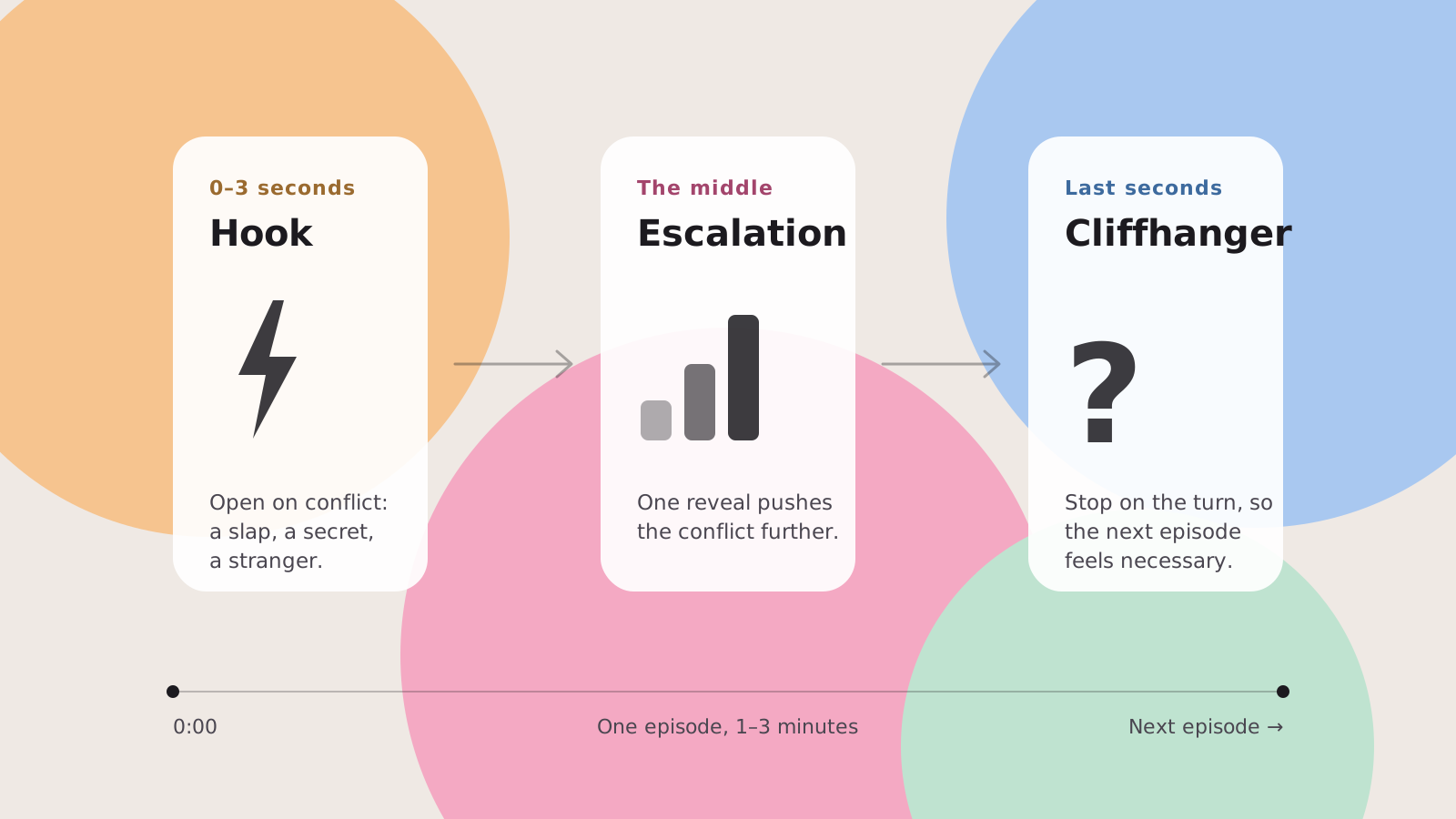
- Hook (0–3 seconds). Open on conflict or a question: the heroine is thrown out of the wedding, the janitor is called "Chairman", the phone shows a message she should not have seen.
- Escalation (the middle). One development pushes the conflict further: a reveal, a humiliation, a choice. There is no room for subplots.
- Cliffhanger (the last seconds). Stop on the turn, a door opening, a name revealed, a slap about to land, so the next episode feels necessary.
Across a series, these episodes add up to a larger arc. A typical structure has the setup and the inciting injustice in the first episodes, a long middle of reversals in which the hero gains power, and a payoff in which secrets come out and the villain falls. Short-drama apps often put the first episodes free and the rest behind coins or a subscription, so the moment of the paywall is planned as carefully as the cliffhangers.
Popular short drama genres
A few genres dominate the short-drama charts, because their conflict is instant and their payoffs are satisfying in small doses:
- Romance: slow burns, second chances, contract marriages and love triangles.
- CEO and billionaire: a powerful, cold lead and the ordinary person who changes them.
- Revenge: the betrayed heroine returns stronger and takes back everything.
- Hidden identity: the poor son-in-law, the driver or the cleaner who is secretly the heir.
- Family drama: inheritance wars, switched-at-birth children and cruel in-laws.
- Werewolf: alphas, mates and pack rivalries, a favourite of English-language apps.
- Fantasy and xianxia: chosen ones, cultivation and immortal sects.
- Thriller and horror: a mystery or a threat revealed one clue per episode.
- Comedy and historical: misunderstandings, palace intrigue and period romance.
How AI short dramas are made
With an AI short drama generator, making a series takes a handful of steps. In ShortDrama Studio they look like this (the step-by-step guide goes deeper):
- Start from one sentence. Type a premise, a title, a script or a chapter of a novel into the prompt box, and choose the genre, the language and the number of episodes.
- Review the story. The agent writes the story bible, the episode plan and the scripts. Rewrite any line, reorder episodes or change the ending.
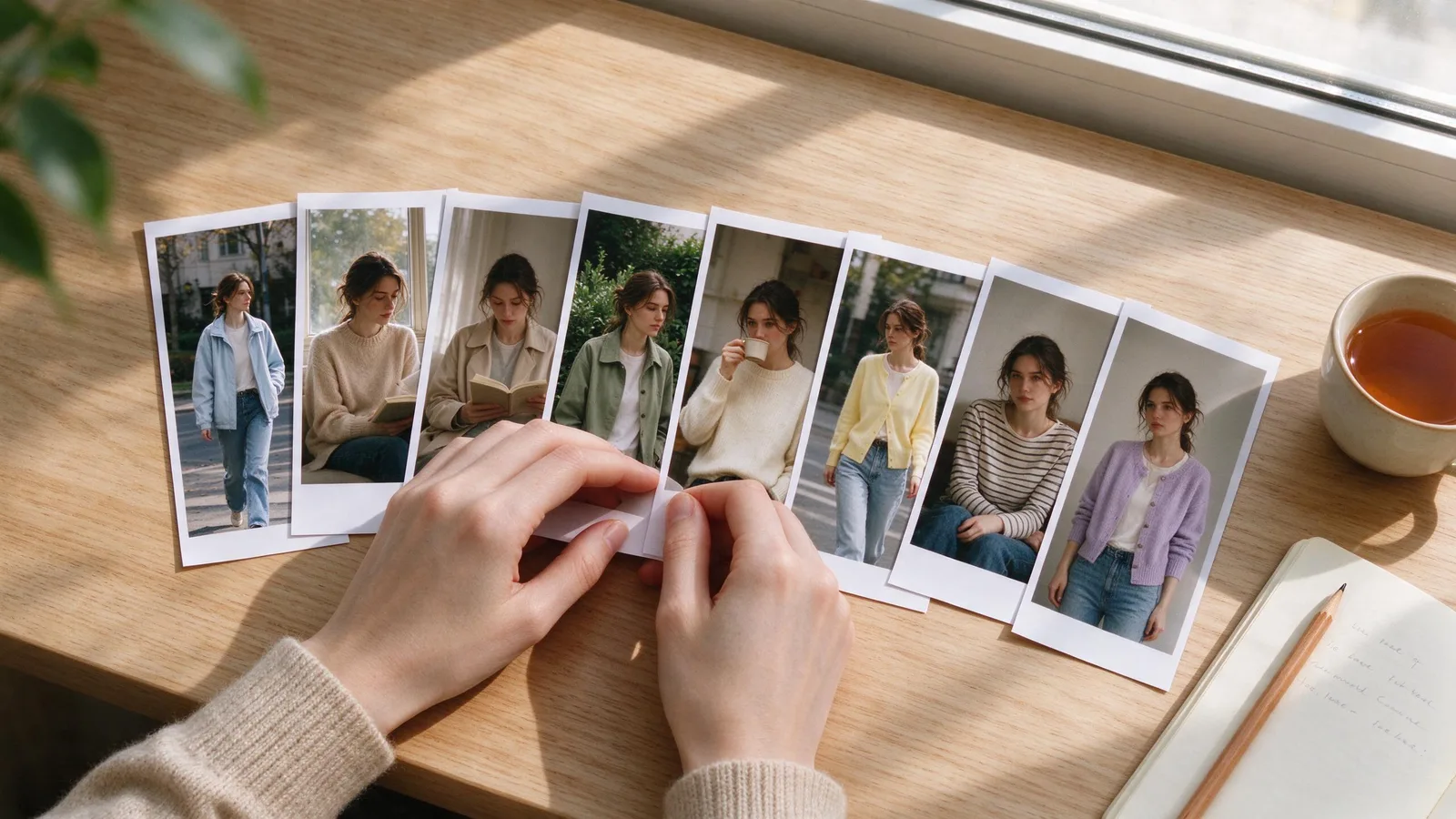
- Approve the cast and the sets. Each character, location and prop gets a reference sheet. Swap a face, upload your own photo or restyle a room.
- Generate the scenes. Every scene is filmed from the script and the sheets. Keep the takes you like and regenerate the rest, one shot at a time.
- Edit and export. Cut the episode on a timeline with voices, music and subtitles, then export vertical episodes ready to post.
The tools for each step are also available on their own: an AI script writer, an AI character generator, an AI storyboard generator, AI voice dubbing and text to video.
Benefits of making short dramas with AI
- Cost. A live-action short drama needs actors, locations, a crew and an editor. With AI, the main cost is generation credits.
- Speed. Writing and planning take minutes, and a first episode can be ready the same day, so you can test an idea before committing to a whole season.
- Consistency. Reference sheets keep characters and places the same across dozens of episodes, the hardest part of making a series with AI clips alone.
- Control. Every stage can be edited: one line of dialogue, one face, one shot. Nothing is final until you approve it.
- Reach. Write, voice and subtitle a drama in other languages to bring the same story to new markets.
- Testing. Make several pilots, see which hook holds viewers, and put your effort behind the one that works.
Who makes AI short dramas?
- Creators and channels who publish serialized stories on TikTok, Reels, Shorts and Facebook.
- Writers and novelists who want to see a story or a book adapted as a series, or pitch it with a pilot.
- Brands and agencies who use short drama as advertising: a story the viewer follows, with the product at the turning point (see drama ads).
- Studios and short-drama apps who develop and test concepts quickly before a full production.
- Filmmakers who use the same tools for short films, trailers and music videos.
Where short dramas are watched
- Short-drama apps such as ReelShort, DramaBox, ShortMax and many others, which publish series episode by episode.
- TikTok, Instagram Reels, YouTube Shorts and Facebook Reels, where creators post episodes as a series, often with "Part 1, Part 2" titles and playlists.
- Your own channels and website, for brands and storytellers building an audience directly.
Because every platform plays vertical video natively, one 9:16 episode with burned-in captions can be posted everywhere.
How short dramas make money
Short dramas earn money in several ways, often combined:
- Pay per episode. Apps make the first episodes free and sell coins to unlock the rest.
- Subscriptions. A weekly or monthly pass unlocks every series in an app.
- Advertising. Free-to-watch episodes carry ads, or viewers watch an ad to unlock an episode.
- Creator programs and brand deals on social platforms, for creators who grow a following.
- Licensing. A finished series, or a strong pilot, can be pitched to an app or a distributor.
Limits of AI short dramas, and how to work with them
AI makes production possible for one person, but it is not magic. Knowing its limits makes the result better:
- Consistency needs a system. Generating clips one by one drifts: faces change, rooms move. Work from reference sheets for every character, location and prop.
- Acting is still the hard part. Emotion, timing and small gestures may need several takes. Regenerate the shots that matter most, such as the hook and the cliffhanger.
- The story is still yours. AI can write a competent episode, but the twist that makes viewers pay for episode ten comes from a person who knows the audience.
- Rights and disclosure. Use original characters, not real people or other studios' characters, and follow each platform's rules for labelling AI-generated content.
How to choose an AI short drama generator
Look for a tool that handles the whole series, not only single clips:
- Series planning: a story bible and an episode plan, not just one prompt per video.
- Consistent characters: reference sheets, or your own photos, reused in every scene.
- Scene-level control: rewrite one line or regenerate one shot without redoing the episode.
- A real edit: a timeline with voices, music and subtitles, and a vertical 9:16 export.
- Languages: writing, voices and subtitles in the language of your audience.
- Commercial rights: clear terms that let you publish and monetise what you make.

Start your first AI short drama
ShortDrama Studio turns one sentence into a vertical drama series: it writes, casts, films and edits every episode, and you can step in at any stage. Start for free and write your first drama without a credit card.

FAQ
What is a short drama?
A short drama is a scripted series of very short, vertical 9:16 episodes, usually one to three minutes long, made to be watched on a phone. Each episode opens on a hook and ends on a cliffhanger, so viewers watch one after another.
What is a micro drama?
A micro drama is another name for a short drama: a vertical series of one- to three-minute episodes built around hooks and cliffhangers. The term is common in the US and on short-drama apps, and sometimes refers to the shortest episodes.
What is the difference between a short drama and a micro drama?
There is no real difference. Both describe vertical series of very short episodes. "Short drama" comes from the Chinese duanju, while "micro drama" is the term more often used by US media and the app industry.
What is an AI short drama?
An AI short drama is a short drama whose script, characters, scenes and edit are produced with artificial intelligence, directed by a person. It keeps the format, vertical episodes with hooks and cliffhangers, and replaces the writers' room, cast and crew with AI.
How long is a short drama episode?
Most episodes run one to three minutes. Micro dramas on short-drama apps are often one to two minutes, while dramas posted on social platforms vary with each platform's limits.
How many episodes does a short drama have?
A short drama usually has dozens of episodes. Shorter series and pilots can have a handful, while app series often run much longer, with the first episodes free and the rest unlocked.
Can AI make a whole short drama?
Yes. An AI short drama generator such as ShortDrama Studio writes the series, designs a consistent cast, generates each scene and edits the episodes with voices, music and subtitles. A person still chooses the story and approves each stage.
Do I need actors, a camera or editing experience?
No. The characters are generated from reference sheets, the scenes are generated as video, and the timeline editor works like a simple mobile video editor.
Where can I publish a short drama?
You can post episodes on TikTok, Instagram Reels, YouTube Shorts and Facebook, publish them on your own channels, or pitch a series to short-drama apps.
Who owns an AI short drama made with ShortDrama Studio?
You do. The stories, scripts and episodes you make belong to you, subject to the Creative License and the terms of service, and you can use them commercially.