Updated October 15, 2026 · 3 min read · By ShortDrama Studio Editorial Team
Kling vs Veo vs Seedance vs Runway for short dramas
There is no single best AI video model for short dramas. Veo is strong when a shot needs synchronised dialogue and sound, Kling and Hailuo are popular for expressive faces and motion, Seedance is built for multi-shot storytelling, and Runway offers reference-based control of characters and scenes. Short drama production often uses more than one: the right model per shot, with the same character references feeding all of them.
Key takeaways
- Judge models on what drama needs: faces, acting, consistency, vertical framing and dialogue.
- Veo (Google): native audio, including speech, alongside video.
- Kling (Kuaishou) and Hailuo (MiniMax): widely used for natural motion and expressions.
- Seedance (ByteDance): designed for multi-shot sequences.
- Runway: references for consistent characters and locations across shots.
- Models update every few months; re-test before committing to one.
What a drama needs from a video model
A short drama is mostly people talking in rooms, filmed close. That is a different test from landscapes or action:
- Faces and micro-expressions that read on a phone screen.
- Acting: a slap, a tear, a glance, with believable timing.
- Consistency: the same character from shot to shot, given references.
- Vertical framing: native 9:16 output without awkward crops.
- Dialogue: lip movement that matches speech, or clean shots for dubbing.
- Cost and speed for hundreds of shots per series.
The models compared
| Model | Made by | Strengths for drama | Things to check |
|---|---|---|---|
| Veo | Google DeepMind | Native audio with video, including dialogue and sound effects; strong realism | Cost per second; availability by region and plan |
| Kling | Kuaishou | Natural motion and expressive faces; image-to-video from references | Consistency over long sequences |
| Seedance | ByteDance | Multi-shot generation that keeps a sequence coherent | Fine control of individual shots |
| Runway | Runway | Reference images for consistent characters and locations; editing tools | Realism of close-up acting |
| Hailuo | MiniMax | Expressive performances and physical motion at a competitive cost | Long-sequence consistency |
These are general strengths reported by creators and the model makers as of October 2026, not benchmark results. Each model has released several versions; check the current one.
How to test models for your series
- Pick three typical shots from your script: a close-up with dialogue, a two-person confrontation and a walking shot.
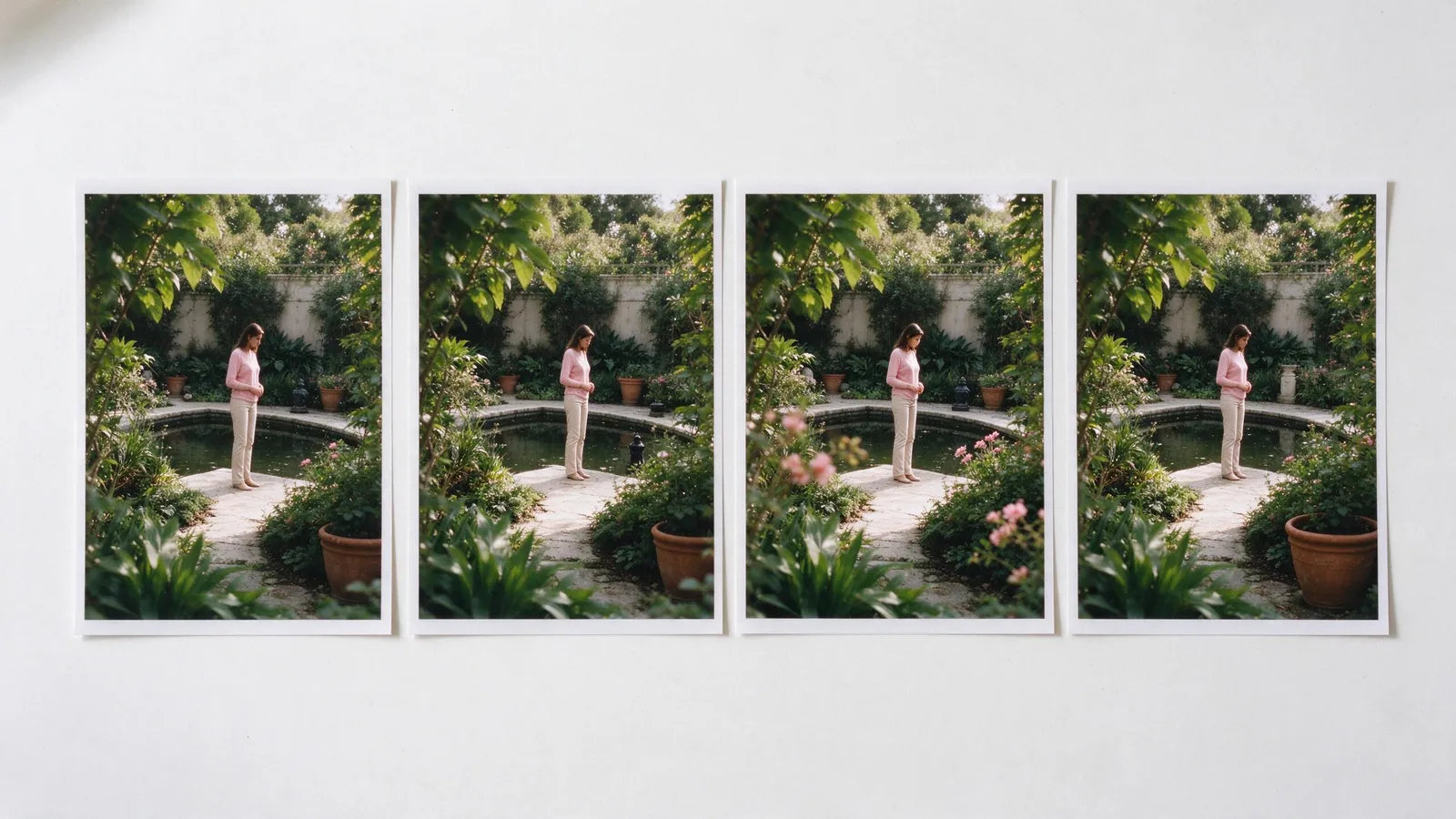
- Use the same character reference images and the same prompt for every model.
- Generate in 9:16.
- Compare face consistency, acting, lip-sync, artifacts and cost.
- Choose per shot type: you may use one model for dialogue and another for movement.
Do you need to choose at all?
If you use the models directly, yes, and you also handle the script, the references, the edit and the costs. All-in-one tools such as ShortDrama Studio take care of that pipeline: the story, the cast and location references, the scene generation and the edit, with premium video models available on higher plans. See the best AI short drama generators for how to compare tools.

Skip the pipeline, keep the control
ShortDrama Studio plans your series, builds the character references and films every scene in 9:16, then edits the episodes with voice, music and subtitles.
FAQ
Which AI video model is best for short dramas?
It depends on the shot. Veo stands out for shots with synchronised dialogue and sound, Kling and Hailuo for expressive faces and motion, Seedance for multi-shot sequences and Runway for reference-based consistency. Many productions combine them.
Can AI video models keep the same character across scenes?
Yes, when you generate from reference images rather than text alone. Consistency still needs checking across episodes, and drifting shots should be regenerated.
Do AI video models support vertical 9:16 video?
The major models can generate vertical video. Native 9:16 output frames faces better than cropping a widescreen shot.
Can AI video models generate dialogue?
Some can. Veo generates audio, including speech, with the video. Other workflows generate silent video and add voices and lip-sync or dubbing afterwards.